
Top Signs Your Exhaust System Needs Attention
- Queen Muffler inc
- Nov 8, 2025
- 4 min read

Your vehicle’s exhaust system plays a crucial role in keeping your car running smoothly and safely. It directs harmful gases away from the engine and passenger cabin, reduces noise, and helps control emissions. Ignoring problems with your exhaust system can lead to poor performance, increased pollution, and even dangerous situations. Knowing the signs that your exhaust system needs attention can save you time, money, and stress.
This post will guide you through the most common indicators that your exhaust system requires inspection or repair. Understanding these signs will help you act promptly and keep your vehicle in top shape.
Loud or Unusual Noises from the Exhaust
One of the first signs of an exhaust problem is a noticeable change in noise. Your car’s exhaust system is designed to muffle engine sounds, so if you hear loud roaring, hissing, or rattling noises, it’s a warning.
Loud roaring or rumbling often means there is a hole or crack in the muffler or exhaust pipe.
Hissing sounds can indicate a leak where exhaust gases escape before reaching the tailpipe.
Rattling noises might come from loose or broken parts inside the exhaust system, such as heat shields or brackets.
If you notice these noises, have your exhaust system checked immediately. Driving with a damaged muffler or pipe can worsen the problem and increase noise pollution.
Strong Smell of Exhaust Inside or Around the Vehicle
Your exhaust system directs harmful gases like carbon monoxide away from the cabin. If you smell exhaust fumes inside your car or around it when parked, this is a serious safety concern.
A strong exhaust smell inside the car can mean there is a leak in the exhaust manifold or pipe near the engine.
Exhaust fumes contain carbon monoxide, which is colorless and odorless but dangerous. The smell you detect often comes from other chemicals in the exhaust.
If you experience headaches, dizziness, or nausea while driving, it could be due to exhaust fumes entering the cabin.
Do not ignore this sign. Have your vehicle inspected immediately to prevent health risks.
Decreased Fuel Efficiency
A failing exhaust system can affect your car’s fuel economy. When exhaust gases do not flow properly, the engine has to work harder, burning more fuel.
A drop in miles per gallon without a change in driving habits can indicate a clogged catalytic converter or damaged exhaust pipe.
A clogged catalytic converter restricts exhaust flow, reducing engine efficiency.
Regular maintenance and timely repairs can prevent fuel waste and save money.
If you notice your fuel costs rising unexpectedly, consider having your exhaust system checked.
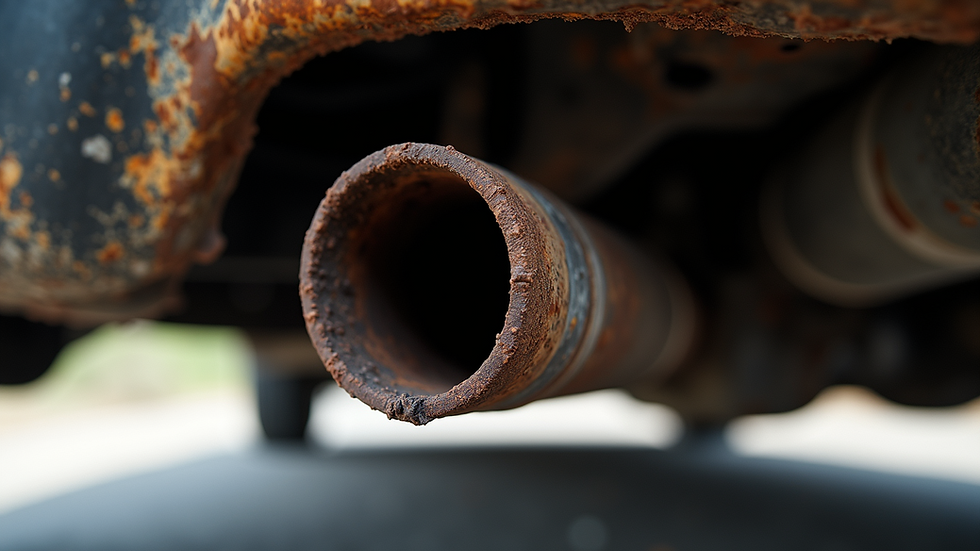
Visible Rust or Damage Under the Vehicle
Rust and physical damage to the exhaust system are common, especially in areas with harsh weather or road salt.
Look under your car for rusted pipes, mufflers, or hangers.
Rust can cause holes and weak spots that lead to leaks.
Damage from road debris or accidents can bend or crack exhaust components.
Regularly inspecting the underside of your vehicle can catch problems early. If you see rust or damage, schedule a professional inspection.
Check Engine Light Comes On
Modern vehicles have sensors that monitor the exhaust system, especially the catalytic converter and oxygen sensors.
A check engine light can indicate an exhaust-related issue.
Faulty oxygen sensors or a failing catalytic converter often trigger this warning.
Ignoring the check engine light can lead to more serious engine problems.
Use an OBD-II scanner or visit a mechanic to diagnose the exact cause of the warning.
Reduced Engine Performance
If your car feels sluggish or struggles to accelerate, the exhaust system could be the culprit.
A blocked or damaged exhaust restricts the flow of gases, causing back pressure.
This back pressure reduces engine power and responsiveness.
You might notice slower acceleration or difficulty climbing hills.
Addressing exhaust restrictions can restore your vehicle’s performance.
Excessive Exhaust Smoke
While some exhaust smoke is normal, especially when starting a cold engine, excessive or unusual smoke is a sign of trouble.
Blue smoke indicates burning oil, which may mean engine problems but can also relate to exhaust leaks.
Black smoke suggests the engine is burning too much fuel, possibly due to a clogged air filter or exhaust issues.
White smoke that lingers could mean coolant is leaking into the engine.
If you see heavy smoke from the tailpipe, have your vehicle inspected promptly.
Vibrations or Loss of Power While Driving
Unusual vibrations or a loss of power can signal exhaust system problems.
Vibrations felt in the steering wheel or gas pedal may come from loose exhaust parts.
A loss of power can result from leaks or blockages in the exhaust system.
These symptoms often worsen over time and affect driving comfort and safety.
If you experience these issues, have your exhaust system checked to avoid further damage.
What to Do When You Notice These Signs
If you observe any of the signs above, take these steps:
Schedule a professional inspection as soon as possible.
Avoid driving long distances with a suspected exhaust leak or damage.
Keep up with regular vehicle maintenance to prevent exhaust problems.
Replace worn or damaged parts promptly to maintain safety and efficiency.
Your exhaust system is vital for your vehicle’s health and your safety. Paying attention to these signs and acting quickly can prevent costly repairs and keep your car running smoothly. If you suspect any issues, contact a trusted mechanic to inspect your exhaust system today.


Comments